Table of Contents
ToggleShipping Container Maintenance Guide: How to Keep Your Container in Great Condition (2026)
Shipping containers are built from strong steel and designed to withstand demanding conditions. However, like any structure exposed to weather, moisture, and regular use, they require occasional maintenance.
Proper shipping container maintenance can help prevent small problems from becoming expensive repairs. Regular inspections can also help protect your container from rust, leaks, door problems, and unnecessary deterioration.
Whether you own a used container, one-trip container, 20ft container, 40ft container, or High Cube container, a good maintenance routine can help keep it in excellent working condition for years.
If you haven’t read it yet, our How Long Do Shipping Containers Last? Lifespan Explained (2026) guide explains the main factors that affect a container’s long-term durability.
This guide explains the most important steps for maintaining your shipping container.
Why Is Shipping Container Maintenance Important?
Shipping containers are designed to be durable, but they are constantly exposed to environmental conditions that can cause wear over time.
Without regular maintenance, small issues can develop into larger problems.
Maintenance helps you:
- Identify rust early
- Prevent water leaks
- Maintain door operation
- Protect the container’s steel structure
- Improve drainage around the container
- Protect stored belongings
- Extend the useful life of the container
The good news is that basic maintenance doesn’t usually require constant work.
Regular inspections and early repairs can make a significant difference.
1. Inspect Your Shipping Container Regularly
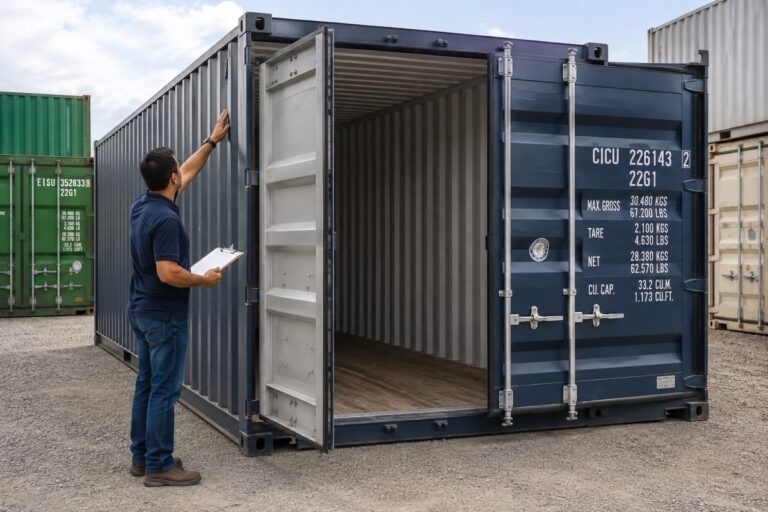
The first step in good maintenance is regular inspection.
You don’t need to wait until you notice a major problem.
Inspect your container periodically and look for changes in its condition.
Check the:
- Roof
- Exterior walls
- Interior walls
- Doors
- Door seals
- Hinges
- Locking mechanisms
- Floor
- Bottom rails
- Corner areas
Look for signs of:
- Rust
- Water leaks
- Damaged paint
- Holes
- Cracks
- Damaged seals
- Difficult doors
- Standing water
Regular inspections help you find problems while they are still manageable.
2. Check the Roof for Damage and Standing Water
The roof is one of the most important areas to inspect.
It receives direct exposure to:
- Rain
- Sunlight
- Snow
- Debris
- Falling branches
Check for:
- Rust
- Damaged areas
- Holes
- Water pooling
- Leaves and debris
Remove branches, leaves, and other materials that may trap moisture.
Water that remains on the roof for extended periods can contribute to corrosion over time.
3. Prevent and Treat Rust Early
Rust is one of the most common maintenance concerns for steel shipping containers.
Minor surface rust is relatively common, especially on older or Used Shipping Containers.
Surface rust doesn’t automatically mean that the container has serious structural damage.
However, ignoring rust can allow corrosion to become worse.
Basic rust maintenance may involve:
- Cleaning the affected area.
- Removing loose rust.
- Preparing the surface appropriately.
- Applying a suitable rust-treatment product or protective coating.
- Monitoring the area over time.
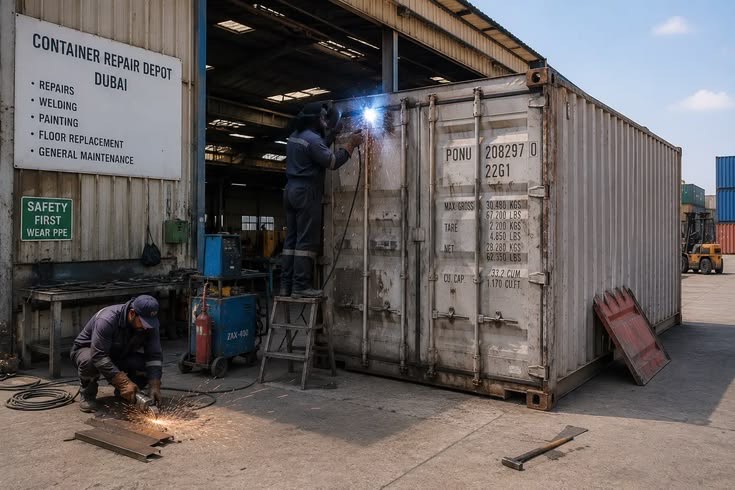
For significant corrosion or structural damage, consider consulting an experienced container repair professional.
The earlier you address corrosion, the easier it is generally to manage.
4. Keep the Container Properly Painted and Protected
The container’s exterior coating helps protect the steel from the environment.
Over time, paint can become damaged because of:
- Weather
- Scratches
- Rust
- Impacts
- Sun exposure
Inspect the exterior periodically for damaged paint.
Touching up damaged areas can help prevent exposed steel from remaining vulnerable to moisture.
If you decide to repaint the entire container, prepare the surface properly and use a coating suitable for exterior steel applications.
5. Check for Water Leaks
A container used for storage should be regularly checked for signs of water entering the interior.
Look for:
- Water stains
- Wet floors
- Damp walls
- Dripping
- Mold or mildew
- Unusual moisture
Leaks can sometimes develop around damaged roof sections, door seals, or areas with corrosion.
Address leaks as soon as possible to protect both the container and anything stored inside.
If you’re buying a container primarily for weather-protected storage, understanding the difference between Wind & Watertight vs. Cargo Worthy Shipping Containers can help you choose the right condition from the beginning.
6. Maintain the Container Doors
Container doors are heavy and contain several important moving components.
Inspect the:
- Hinges
- Locking bars
- Handles
- Seals
- Door frame
Keep moving parts clean and, where appropriate, lubricated according to the component manufacturer’s recommendations.
If doors become difficult to open, don’t simply force them.
Difficulty opening or closing doors can sometimes indicate:
- Dirt or debris
- Damaged hardware
- Misalignment
- Uneven settling
- Structural issues
The condition of the installation site can also affect door operation.
7. Keep Your Container Level
A container should remain properly supported and reasonably level.
If the container settles unevenly, you may notice:
- Doors becoming difficult to operate
- Uneven gaps
- Drainage problems
- Additional stress on the structure
This is one reason proper installation is important.
Our Shipping Container Foundations: Everything You Need to Know (2026) guide explains how a suitable foundation can support long-term container use.
If you notice significant settling, investigate the supporting surface rather than ignoring the problem.
8. Improve Drainage Around the Container
Water should not continuously collect around the base of your shipping container.
Standing water can contribute to moisture exposure and make the site difficult to access.
Good drainage can help:
- Reduce mud
- Reduce prolonged moisture exposure
- Protect the container’s underside
- Improve site access
- Reduce erosion
Inspect the property after heavy rain.
If water consistently collects around the container, consider improving the site’s drainage or grading.
Before installation, it’s also important to prepare the property properly. Read How to Prepare Your Property for Shipping Container Delivery (2026) for a complete site-preparation guide.
9. Keep Vegetation Away From the Container
Trees, bushes, vines, and other vegetation can create maintenance problems.
Vegetation can:
- Trap moisture
- Scratch paint
- Block airflow
- Drop debris onto the roof
- Make inspections difficult
Keep vegetation trimmed and avoid allowing plants to grow directly against the container.
This also makes it easier to inspect the exterior for rust or damage.
10. Inspect the Container Floor
The container floor is especially important if you use the container for storage.
Check for:
- Damage
- Soft areas
- Excessive wear
- Moisture
- Contamination
Avoid exposing the floor to unnecessary standing water.
If you’re storing heavy equipment, distribute weight appropriately rather than concentrating excessive loads in one small area.
11. Keep the Interior Clean and Dry
Maintenance isn’t only about the exterior.
A clean interior makes it easier to identify problems.
Periodically:
- Remove unnecessary debris
- Sweep the floor
- Check for moisture
- Inspect the walls
- Look for pests
- Make sure stored materials aren’t blocking inspections
Good organization can also improve airflow and make the container easier to use.
12. Maintain Door Seals
Door seals play an important role in protecting the interior from weather.
Inspect them for:
- Cracks
- Damage
- Loose sections
- Wear
- Gaps
Damaged seals can allow moisture and dust to enter.
Replacing worn seals when necessary can help maintain weather protection.
13. Protect the Container From Unauthorized Access
Security is another part of long-term container ownership.
Inspect the:
- Door locking mechanisms
- Locking bars
- Security hardware
Make sure everything remains in good working condition.
Depending on the location and contents of your container, additional security measures may be appropriate.
Our future Shipping Container Security Tips article will cover this subject in greater detail.
Maintenance for Different Container Types
Different containers may have additional maintenance requirements depending on their design and intended use.
Standard Containers
Standard containers generally require regular inspection of:
- Roof
- Walls
- Doors
- Rust
- Drainage
High Cube Containers
A High Cube Container requires similar maintenance to a standard container.
Because of its additional height, make sure inspections can be carried out safely.
Used Containers
A Used Shipping Container may require more frequent inspection for existing wear, previous repairs, or surface corrosion.
Refrigerated Containers
A Refrigerated Container may require additional maintenance for its refrigeration equipment and electrical systems.
These units should be maintained according to the manufacturer’s requirements.
How Often Should You Maintain a Shipping Container?
There is no single maintenance schedule that works for every container.
The frequency depends on:
- Climate
- Container condition
- Age
- Intended use
- Location
- Exposure to weather
A container in a coastal or high-humidity environment may require more frequent inspections than one located in a dry climate.
A good approach is to inspect the container regularly and perform additional checks after severe weather.
Seasonal Shipping Container Maintenance
Before the Rainy Season
Check:
- Roof condition
- Drainage
- Door seals
- Rust areas
Remove debris that could trap water.
After Severe Weather
Inspect for:
- New damage
- Water leaks
- Fallen branches
- Damaged paint
- Standing water
During Dry Periods
This can be a good time to:
- Treat rust
- Repaint damaged areas
- Repair seals
- Perform general inspections
Common Shipping Container Maintenance Mistakes
❌ Ignoring Small Rust Spots
Small problems can become larger corrosion issues.
❌ Allowing Water to Collect Around the Container
Poor drainage can create unnecessary moisture exposure.
❌ Ignoring Difficult Doors
Door problems can sometimes indicate settling or alignment issues.
❌ Waiting Until a Leak Becomes Serious
Inspect and repair water-entry points early.
❌ Letting Vegetation Grow Against the Container
Plants can trap moisture and hide developing problems.
❌ Forgetting About the Roof
The roof is exposed to weather continuously and should be inspected regularly.
Simple Shipping Container Maintenance Checklist
Use this checklist to keep track of routine maintenance:
Exterior
☐ Inspect for rust
☐ Check damaged paint
☐ Inspect walls
☐ Inspect corners
Roof
☐ Remove debris
☐ Check for water pooling
☐ Inspect for rust or damage
Doors
☐ Test door operation
☐ Check hinges
☐ Inspect seals
☐ Check locking bars
Foundation and Ground
☐ Check for settling
☐ Inspect drainage
☐ Remove standing water
Interior
☐ Check for leaks
☐ Inspect walls
☐ Check the floor
☐ Remove debris
☐ Look for moisture
How Maintenance Helps Extend Container Lifespan
Proper maintenance directly supports long-term durability.
A container that is regularly inspected is more likely to have problems identified early.
By:
- Controlling rust
- Preventing water leaks
- Maintaining drainage
- Keeping doors operational
- Protecting paint
- Maintaining a stable foundation
you can help your container remain useful for many years.
For a broader explanation of container durability, read How Long Do Shipping Containers Last? Lifespan Explained (2026).
Final Thoughts
Shipping container maintenance doesn’t need to be complicated, but it should not be ignored.
Regular inspections, early rust treatment, proper drainage, roof maintenance, and attention to doors and seals can help protect your investment.
Whether you own a 10ft, 20ft, 30ft, 40ft, 45ft, High Cube, or used shipping container, the basic principles remain the same: keep it dry, keep it level, inspect it regularly, and repair small problems before they become major ones.
If you’re still looking for the right container for your storage or business needs, explore Shipping Containers and compare the available options.
For more information about international shipping container standards, visit the International Maritime Organization (IMO)