Table of Contents
ToggleRefrigerated Shipping Containers: The Complete Buyer’s Guide (2026)
When transporting or storing temperature-sensitive products, a refrigerated shipping container, often called a reefer container, is one of the most reliable solutions available. Designed with built-in refrigeration systems, these containers maintain consistent temperatures for perishable goods, pharmaceuticals, floral products, and other sensitive cargo.
Whether you’re in the food industry, healthcare, agriculture, or logistics, our Refrigerated Containers provide dependable cold storage backed by durable construction and long-lasting performance. If you’re exploring other storage solutions, browse our complete selection of Shipping Containers.
What Is a Refrigerated Shipping Container?
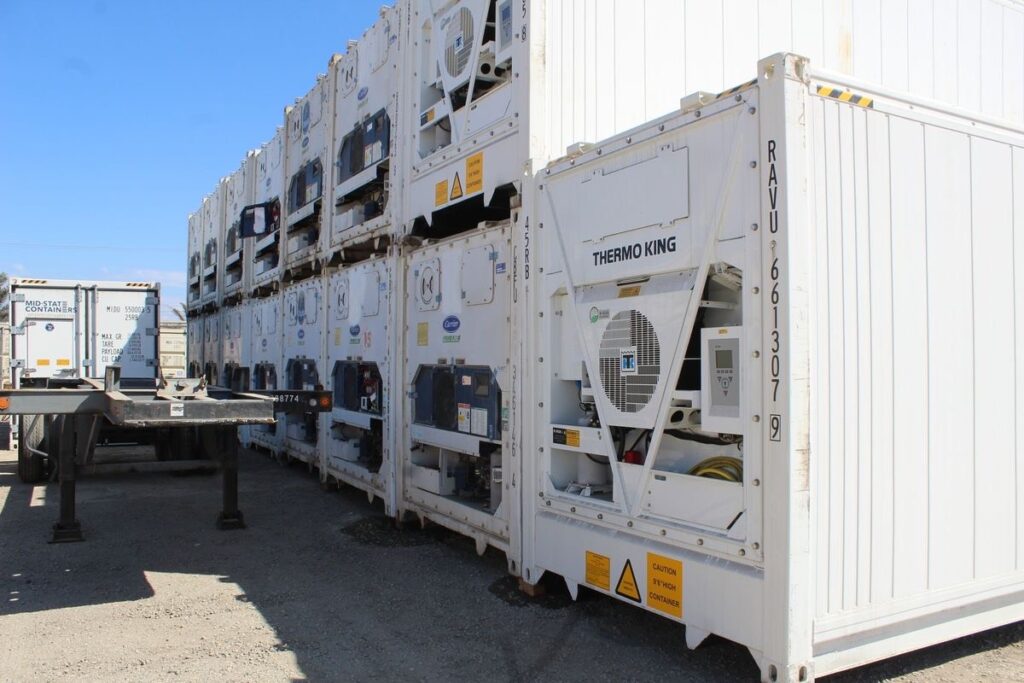
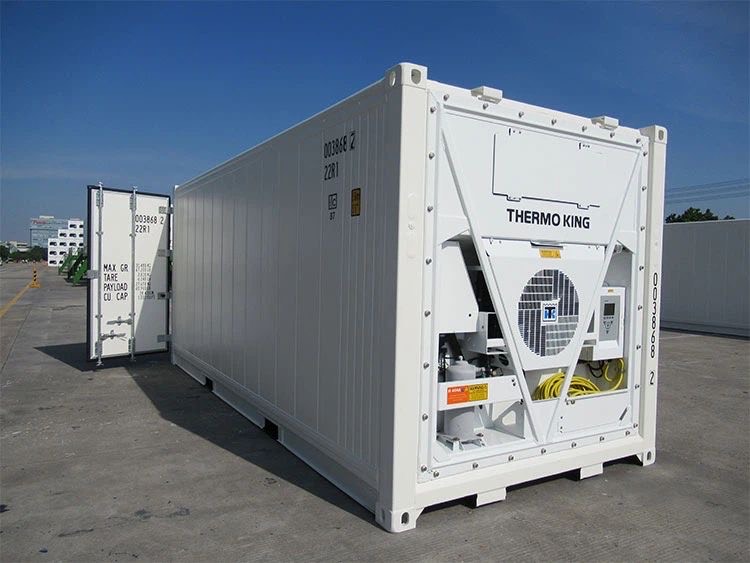
A refrigerated shipping container is an insulated steel container equipped with an integrated cooling unit that maintains a controlled internal temperature. Unlike standard containers, reefer containers can cool or maintain frozen temperatures, helping preserve the quality of temperature-sensitive goods during storage or transportation.
They are commonly available in 20ft and 40ft sizes and are widely used around the world.
Customers comparing refrigerated units often also explore our 20ft Shipping Containers and 40ft Shipping Containers to determine whether temperature control is necessary for their application.
How Does a Refrigerated Shipping Container Work?
A reefer container uses a refrigeration unit powered by electricity to circulate cooled air throughout the interior. High-quality insulation helps maintain the selected temperature while reducing energy consumption.
Most refrigerated containers require an external power source when used for stationary storage, while they can also be connected to compatible power systems during transport.
Temperature Range
Most refrigerated shipping containers can maintain temperatures between approximately:
- -22°F to 77°F (-30°C to 25°C)
This wide temperature range makes them suitable for both frozen and chilled storage applications.
Benefits of Refrigerated Shipping Containers
Reliable Temperature Control
The primary advantage of a refrigerated container is its ability to maintain a consistent internal temperature, helping protect sensitive goods from spoilage.
Excellent Insulation
Thick insulated walls improve cooling efficiency and reduce energy loss.
Durable Construction
Like standard shipping containers, reefer containers are built from heavy-duty steel to withstand demanding environments and frequent transportation.
Secure Storage
Reinforced doors and locking systems help protect valuable inventory from theft and unauthorized access.
Versatile Applications
Refrigerated containers are used across many industries for temporary, seasonal, and permanent cold storage.
Common Uses for Refrigerated Shipping Containers
Refrigerated shipping containers are commonly used for:
- Fresh produce
- Meat and seafood
- Dairy products
- Frozen foods
- Pharmaceuticals
- Vaccines
- Flowers and plants
- Beverage storage
- Event catering
- Restaurant overflow storage
Businesses needing additional dry storage often combine reefer units with our High Cube Containers or standard Shipping Containers.
New vs. Used Refrigerated Containers
A new refrigerated container offers maximum efficiency, minimal wear, and a longer service life.
Used refrigerated containers provide a more budget-friendly option while still offering dependable performance when properly maintained.
Customers looking for economical dry storage may also consider our Used Shipping Containers.
Delivery and Installation
Before purchasing a refrigerated container, ensure your property has adequate delivery access and a reliable electrical connection to power the refrigeration system.
A level concrete or gravel foundation helps support the container and ensures proper operation.
Maintenance Tips
Proper maintenance helps maximize performance and extend the life of your reefer container.
Recommended maintenance includes:
- Inspect the refrigeration unit regularly.
- Clean condenser coils.
- Check door gaskets for proper sealing.
- Keep the interior clean.
- Monitor temperature settings.
- Schedule periodic professional servicing.
Frequently Asked Questions
What is a reefer container?
A reefer container is another name for a refrigerated shipping container designed to maintain controlled temperatures for perishable goods.
Do refrigerated containers require electricity?
Yes. The refrigeration unit must be connected to a compatible power source during operation.
Can refrigerated containers freeze products?
Yes. Many reefer containers are capable of maintaining freezing temperatures suitable for frozen food and other cold-storage applications.
Are refrigerated containers weatherproof?
Yes. They are designed to withstand outdoor conditions while protecting products from rain, wind, and temperature fluctuations.
Why Buy from Universal Container Depot?
Universal Container Depot proudly supplies premium refrigerated shipping containers with dependable nationwide delivery across the United States.
When you purchase from us, you’ll receive:
- Premium-quality refrigerated containers
- Competitive pricing
- Nationwide delivery
- Secure online ordering
- New and used inventory
- Professional customer support
Our Refrigerated Containers provide dependable cold storage solutions for businesses and organizations that rely on precise temperature control.
Conclusion
A refrigerated shipping container is the ideal solution for storing and transporting temperature-sensitive products. With reliable cooling, durable construction, and excellent versatility, reefer containers are an essential investment for food service, healthcare, agriculture, and logistics industries.
Browse our Refrigerated Containers today, or explore our complete collection of Shipping Containers to find the right container for your storage and transportation needs.
For more information about international shipping container standards, visit the International Maritime Organization (IMO)