Table of Contents
ToggleShipping Container Security Tips: How to Protect Your Container (2026)
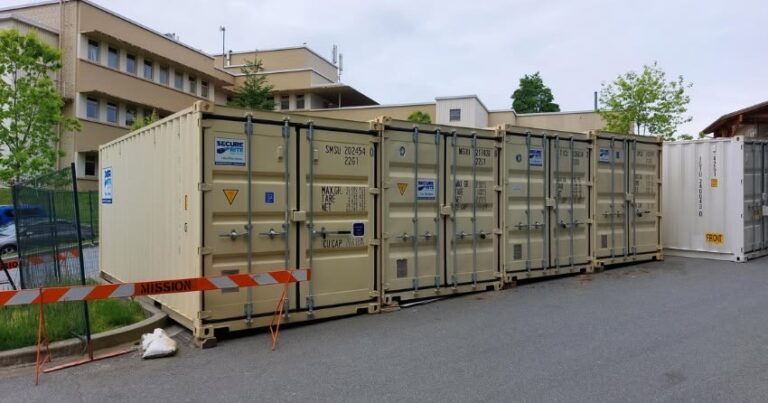
Shipping containers are commonly used to store valuable equipment, inventory, tools, machinery, and personal belongings. Their strong steel construction provides a durable storage structure, but the container itself should still be part of a proper security plan.
The level of security you need depends on several factors, including where the container is located, what is stored inside, how often it is accessed, and the surrounding environment.
A container used to store basic household items may require a different security approach from one containing expensive construction equipment or business inventory.
This guide explains practical ways to improve shipping container security and help protect your container and its contents.
If you’re still planning your purchase, our Shipping Container Buying Checklist: What to Check Before You Buy (2026) can help you prepare before ordering.
1. Choose a Secure Location
Container security starts with location.
Where possible, place your container in an area that is:
- Visible from the property
- Difficult for unauthorized vehicles to access
- Well maintained
- Easy to monitor
- Properly illuminated
Avoid placing valuable storage containers in isolated areas where unauthorized access could go unnoticed for long periods.
However, visibility should be balanced with your property’s layout and operational needs.
A well-planned installation can improve both convenience and security.
Before delivery, read How to Prepare Your Property for Shipping Container Delivery (2026) to make sure the location is suitable for placement and access.
2. Use Appropriate Locking Hardware
The container doors are one of the main areas to consider when planning security.
Use locking hardware appropriate for the container and the value of the items being stored.
Depending on your security requirements, you may consider:
- Heavy-duty locks
- Protected locking systems
- Container lock boxes
- Security-rated hardware
The goal is to make unauthorized access more difficult.
When choosing locking hardware, make sure it is compatible with your container’s door and locking system.
3. Consider a Lock Box
A lock box is designed to provide additional protection for a container lock.
By partially enclosing or shielding the lock, it can make direct access more difficult.
This can be useful for containers storing:
- Construction tools
- Business equipment
- Machinery parts
- Valuable inventory
A lock box should be properly installed and suitable for the specific container door design.
4. Inspect the Doors and Locking Bars
Security equipment is only effective when the container doors are in good condition.
Inspect:
- Door hinges
- Locking bars
- Handles
- Door frames
- Seals
- Welded areas
If the doors are damaged or difficult to operate, address the issue.
Regular inspection is also part of good container maintenance.
For more information, read Shipping Container Maintenance Guide: How to Keep Your Container in Great Condition (2026).
5. Keep the Area Well Lit
Good lighting can improve visibility around the container.
Depending on your property, lighting may help you:
- Monitor access
- See people approaching
- Improve nighttime visibility
- Support security cameras
Lighting should be planned according to the property’s layout and intended use.
Make sure outdoor electrical installations are completed appropriately and comply with applicable requirements.
6. Use Security Cameras Where Appropriate
Security cameras can provide additional monitoring around the container.
They may be useful for locations containing:
- Valuable equipment
- Business inventory
- Construction materials
- Machinery
When planning camera placement, consider:
- Entry points
- Container doors
- Vehicle access
- Blind spots
- Lighting conditions
The goal is to monitor the areas where access is most likely to occur.
7. Control Access to the Property
Container security doesn’t begin and end at the doors.
The entire property should be considered.
Depending on the location, security may include:
- Gates
- Fencing
- Controlled entry points
- Restricted vehicle access
- Site monitoring
Making unauthorized access to the property more difficult can provide an additional layer of protection.
8. Keep Valuable Items Organized
The way you store items inside the container can also affect security and inventory management.
Avoid leaving valuable equipment directly next to the doors where it is immediately visible when the container is opened.
Consider:
- Organizing inventory
- Labeling equipment
- Recording serial numbers
- Maintaining an inventory list
Good organization can also help you quickly identify whether something is missing.
9. Inspect the Container Regularly
Regular inspections can help identify both maintenance and security issues.
Check for:
- Damage to doors
- Damaged locking hardware
- Signs of attempted entry
- New holes or structural damage
- Broken security equipment
If you notice unexpected damage, investigate it promptly.
Regular maintenance can also help preserve the container’s structural condition over time.
Read How Long Do Shipping Containers Last? Lifespan Explained (2026) to understand the factors that affect container durability.
10. Don’t Forget the Roof and Exterior
The doors are the primary access point, but the entire container should be inspected.
Check the:
- Roof
- Side walls
- Corners
- Bottom areas
Look for:
- Damage
- Holes
- Significant corrosion
- Unauthorized modifications
Keeping the container in good structural condition supports both weather protection and security.
11. Use Multiple Layers of Security
The strongest security approach often involves more than one measure.
For example:
Secure location
+
Appropriate lock
+
Protected locking hardware
+
Lighting
+
Property access control
+
Monitoring
This creates multiple obstacles rather than relying on only one security measure.
The appropriate level of security depends on the value of your stored property and the risks associated with the location.
Security Considerations for Different Uses
Construction Site Storage
Construction containers may contain expensive tools and equipment.
Consider:
- Strong locking systems
- Controlled site access
- Lighting
- Regular inspections
A 20ft Shipping Container can provide useful space for storing construction equipment and materials.
Business Inventory Storage
Businesses storing inventory may need additional monitoring and access control.
Depending on the value of the inventory, consider combining physical security with inventory-management procedures.
For larger storage needs, a 40ft Shipping Container may provide additional capacity.
Agricultural Storage
Containers on farms or rural properties may be located farther from occupied buildings.
Security planning may therefore need to consider:
- Property access
- Visibility
- Monitoring
- Equipment value
Used Shipping Containers
A Used Shipping Container can still provide secure storage when its doors, structural frame, and locking systems are in good condition.
Before purchasing, inspect the overall condition carefully.
Our Shipping Container Grades Explained: A Complete Buyer’s Guide (2026) can help you understand container condition terminology.
Does Container Placement Affect Security?
Yes.
The location of your container can influence how easy it is to monitor and access.
Consider:
- Visibility
- Distance from occupied buildings
- Lighting
- Vehicle access
- Property boundaries
- Surrounding structures
At the same time, placement must also account for delivery requirements, drainage, and foundation preparation.
Read Shipping Container Foundations: Everything You Need to Know (2026) to understand how proper installation supports long-term use.
Protect Your Container From Weather Damage Too
Security isn’t only about unauthorized access.
Protecting your container from environmental damage is also important.
Poor drainage, rust, and roof damage can affect the container’s condition over time.
Make sure the container:
- Remains properly supported
- Has suitable drainage around it
- Is inspected for rust
- Has damaged areas repaired
For complete maintenance guidance, read Shipping Container Maintenance Guide: How to Keep Your Container in Great Condition (2026).
Common Shipping Container Security Mistakes
❌ Relying on a Basic Lock Alone
A single security measure may not be appropriate for containers storing valuable property.
❌ Ignoring the Surrounding Property
Security should include the location and access routes, not only the container doors.
❌ Leaving the Area Dark
Poor visibility can make monitoring more difficult.
❌ Failing to Inspect Security Hardware
Locks and door components should be checked regularly.
❌ Advertising Valuable Contents
Avoid unnecessarily making it obvious what valuable items are stored inside.
❌ Ignoring Container Condition
Damaged doors, corrosion, and structural problems should be addressed.
Shipping Container Security Checklist
Before leaving your container unattended, consider the following:
Container Doors
☐ Doors close properly
☐ Locking bars are functioning
☐ Hinges are in good condition
☐ Appropriate locking hardware is installed
Property
☐ Access points are considered
☐ The area has adequate visibility
☐ Lighting is available where appropriate
☐ Unauthorized vehicle access is limited
Container Condition
☐ Exterior is inspected
☐ Roof is checked
☐ Significant rust is addressed
☐ Damage is repaired
Stored Items
☐ Valuable items are organized
☐ Important equipment is documented
☐ Inventory is monitored
How Security Fits Into the Shipping Container Buying Process
Security should be considered before and after purchasing.
A good buying process looks like this:
Choose the right container
↓
Understand its condition
↓
Prepare your property
↓
Plan delivery
↓
Install a suitable foundation
↓
Maintain the container
↓
Protect the container and its contents
Following this process helps create a more practical long-term storage solution.
If you’re at the beginning of your buying journey, start with How to Choose the Right Shipping Container for Your Needs (2026).
Frequently Asked Questions
Are shipping containers secure?
Shipping containers are built from strong steel and can provide a durable storage structure. However, the level of protection depends on the container’s condition, locking hardware, location, and additional security measures.
What should I check regularly?
Inspect doors, locking bars, hinges, exterior walls, the roof, and any security hardware.
Does a used shipping container provide secure storage?
A used container can provide secure storage when it is structurally sound and its doors and locking systems are in good condition.
Should I install lighting near my container?
Lighting can improve visibility and support monitoring, depending on the property’s layout and security requirements.
Final Thoughts
Shipping containers provide a strong and practical storage solution, but good security requires more than simply closing the doors.
The best approach is to combine a suitable location, appropriate locking hardware, regular inspections, good lighting where appropriate, controlled property access, and proper maintenance.
Whether you’re storing tools, equipment, inventory, agricultural supplies, or personal belongings, planning security from the beginning can help protect your investment.
When you’re ready to find the right container for your needs, explore Shipping Containers and compare the available sizes and configurations.
For more information about international shipping container standards, visit the International Maritime Organization (IMO)