Table of Contents
ToggleHow to Prepare Your Property for Shipping Container Delivery (2026)
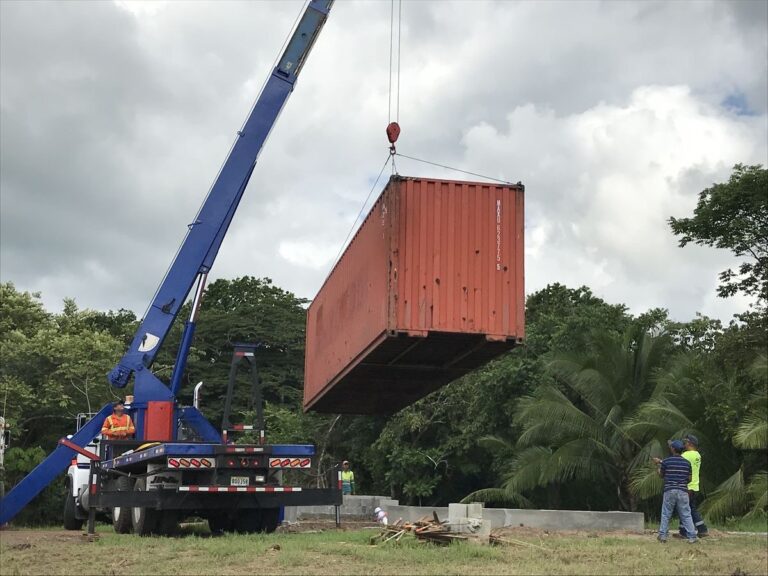
Ordering a shipping container is an important investment, but choosing the right container is only part of the process. Before your container arrives, your property needs to be properly prepared for delivery and placement.
A suitable delivery site can help prevent delays, access problems, and unnecessary complications on delivery day.
Whether you’re purchasing a 10ft, 20ft, 30ft, 40ft, 45ft, or High Cube container, you should evaluate the property before scheduling delivery.
If you haven’t chosen your container yet, start with How to Choose the Right Shipping Container for Your Needs (2026). Understanding your intended use and required size will make site preparation much easier.
This guide explains what to check and prepare before your shipping container arrives.
1. Choose the Right Location
The first step is deciding exactly where you want the container to go.
The location should provide enough room for:
- The container itself
- Delivery equipment
- Opening the container doors
- Access around the container
- Future maintenance
- Loading and unloading
Don’t choose a location based only on whether the container physically fits.
Think about how you’ll use the container every day.
For example, placing the doors directly against a fence may leave the container technically on your property but make it difficult to access.
2. Measure the Container Area
Before delivery, measure the intended placement area.
The space needs to accommodate the actual dimensions of the container, not just its advertised length.
Your available space should account for:
- Length
- Width
- Height
- Door clearance
- Supporting surface
- Drainage
- Delivery access
If you’re still comparing sizes, our Shipping Container Sizes Explained: 10ft, 20ft, 30ft, 40ft & 45ft guide can help you understand how the different sizes compare.
3. Check Your Property Entrance
The placement area may be large enough, but the delivery vehicle still needs to reach it.
Measure the route from the public road to the intended location.
Check:
Gate Width
If your property has a gate, measure its usable opening.
Driveway Width
Make sure the delivery vehicle can safely enter.
Turning Space
Large containers and delivery equipment can require significant room to maneuver.
Road Conditions
Narrow roads, sharp turns, steep grades, or other restrictions can complicate delivery.
If you are ordering a 40ft Container or 45ft Container, pay particular attention to access because of their greater length.
4. Check Overhead Clearance
Overhead obstacles are easy to overlook.
Before delivery, check for:
- Tree branches
- Power lines
- Telephone lines
- Building overhangs
- Roofs
- Bridges
- Low structures
- Other obstructions
This is especially important if you’re purchasing a High Cube Container, because it provides additional height compared with a standard-height container.
Never assume that a route is clear simply because a regular vehicle can use it.
The container delivery equipment may require additional clearance.
5. Clear the Delivery Route
Remove anything that could interfere with the delivery process.
This may include:
- Vehicles
- Trailers
- Construction materials
- Landscaping equipment
- Branches
- Temporary fencing
- Debris
- Outdoor furniture
The driver should not have to navigate around unnecessary obstacles.
Preparing the route ahead of time makes the delivery process easier and safer.
6. Prepare a Stable Ground Surface
Your container should be placed on a suitable supporting surface.
The exact foundation or support system depends on your property, soil conditions, container, local requirements, and intended use.
Possible approaches may include:
- Gravel
- Concrete
- Concrete blocks
- Other suitable supports
The objective is to provide a stable base that helps distribute the container’s weight and reduce excessive settling.
A properly prepared surface can also help with drainage and long-term maintenance.
7. Consider Drainage
Water management is an important part of site preparation.
Avoid choosing a location where water naturally collects.
A poorly drained site can contribute to:
- Mud
- Standing water
- Soil erosion
- Uneven settling
- Corrosion concerns
- Difficult access
Where appropriate, prepare the site so rainwater can drain away rather than continuously collecting around the container.
8. Make Sure the Ground Is Suitable
A container is heavy, especially when loaded.
Before installation, consider the condition of the ground.
Soft or unstable soil may settle under the weight of the container.
Pay particular attention to:
- Recently excavated areas
- Wet ground
- Muddy soil
- Areas with poor drainage
- Sloped ground
- Uncompacted fill
If you’re uncertain about the ground conditions, consider consulting an appropriate local construction or site professional.
9. Plan for the Container Doors
Door access should be considered before the container arrives.
Leave enough space in front of the doors for them to open fully and for people to move items in and out.
Think about:
- Where vehicles will park
- Where employees or family members will walk
- How equipment will be loaded
- How often the container will be accessed
- Whether future construction could block the doors
A good location today should remain practical tomorrow.
10. Consider Future Access
Don’t prepare the site only for delivery day.
Think about what will happen after the container is installed.
Will you need to:
- Bring a vehicle near it?
- Move large equipment in and out?
- Inspect the roof?
- Repaint it?
- Maintain the doors?
- Add electrical connections?
- Modify the container?
- Move it later?
Leaving some usable space around the container can make future maintenance and access easier.
11. Account for Your Container Type
Site preparation can also depend on what type of container you’re buying.
Standard Shipping Containers
Standard containers can be used for many storage and transportation applications.
High Cube Containers
A High Cube Container requires additional attention to overhead clearance because of its increased height.
Refrigerated Containers
A Refrigerated Container may have additional operational requirements depending on how it will be used.
Open Top Containers
An Open Top Container can have different loading requirements because of its open or removable-top configuration.
Flat Rack Containers
A Flat Rack Container is designed for specialized cargo and may require different loading and placement considerations.
The container type should therefore be considered when planning the site.
12. Think About Your Container’s Size
Your site preparation should match the size you order.
10ft Container
A 10ft Container can be useful for properties with limited available space.
20ft Container
A 20ft Container offers more capacity while remaining suitable for many residential and commercial locations.
30ft Container
A 30ft Container provides additional length for projects requiring more storage space.
40ft Container
A 40ft Container requires more room for both placement and delivery.
45ft Container
A 45ft Container requires particularly careful delivery planning because of its additional length.
Choosing the right size before preparing your property can prevent you from having to redesign the site later.
13. Check Local Requirements
Before installing a shipping container, check whether your local government, homeowners association, landlord, or property manager has rules that apply.
Depending on your location and intended use, there may be requirements relating to:
- Zoning
- Setbacks
- Permits
- Property use
- Permanent structures
- Utility connections
- Residential occupancy
Rules vary by location, so don’t assume that a container can automatically be installed anywhere on your property.
14. Consider Utilities
If the container will only be used for basic storage, you may not need utility connections.
However, projects involving offices, cabins, workshops, or other occupied spaces may require additional planning.
You may need to consider:
- Electricity
- Lighting
- Water
- Drainage
- HVAC
- Internet
- Plumbing
If you’re planning to turn a container into a workspace or living environment, our Container Homes & Offices category is worth exploring.
15. Preparing for a Container Cabin
If you’re purchasing a cabin rather than a standard storage container, site preparation can become even more important.
A cabin may be intended for:
- Office use
- Staff space
- Security
- Commercial use
- Temporary accommodation
- Workspace
You’ll need to consider not only delivery and placement but also how people will enter and use the structure.
Explore Cabins for Sale if you’re looking for a portable cabin solution.
16. What About Used Shipping Containers?
If you’re purchasing a Used Shipping Container, the same basic site-preparation principles apply.
You still need:
- A suitable placement area
- Stable ground
- Delivery access
- Adequate clearance
- Door clearance
- Appropriate drainage
The fact that a container is used doesn’t eliminate the need for proper site preparation.
Container Site Preparation Checklist
Before delivery, go through this checklist:
Location
☐ Choose the final placement area
☐ Measure the available space
☐ Confirm the container fits
☐ Leave adequate door clearance
Access
☐ Measure the property entrance
☐ Check driveway width
☐ Check turning space
☐ Check road access
☐ Remove obstacles
Clearance
☐ Check tree branches
☐ Check utility lines
☐ Check roof overhangs
☐ Check other overhead obstacles
Ground
☐ Remove debris
☐ Check soil stability
☐ Prepare a suitable support surface
☐ Consider drainage
☐ Address standing-water problems
Regulations
☐ Check local zoning requirements
☐ Check permit requirements
☐ Check HOA or property restrictions
Delivery Day
☐ Keep the route clear
☐ Keep vehicles away from the delivery area
☐ Make sure the placement area is ready
☐ Communicate any unusual site conditions in advance
Common Site Preparation Mistakes
Choosing the Location Based Only on Size
A container may fit in an area but still be difficult to access.
Always consider the delivery route and door clearance.
Ignoring Overhead Obstacles
Trees and utility lines can become serious obstacles during delivery.
Inspect the entire route.
Placing the Container Directly on Poor Ground
Soft or poorly drained ground can cause problems over time.
Prepare a suitable supporting surface.
Forgetting Door Clearance
Don’t place the container so close to a fence or building that the doors cannot open properly.
Waiting Until Delivery Day
Site preparation should be completed before the truck arrives.
Last-minute preparation can cause delays.
What Happens on Delivery Day?
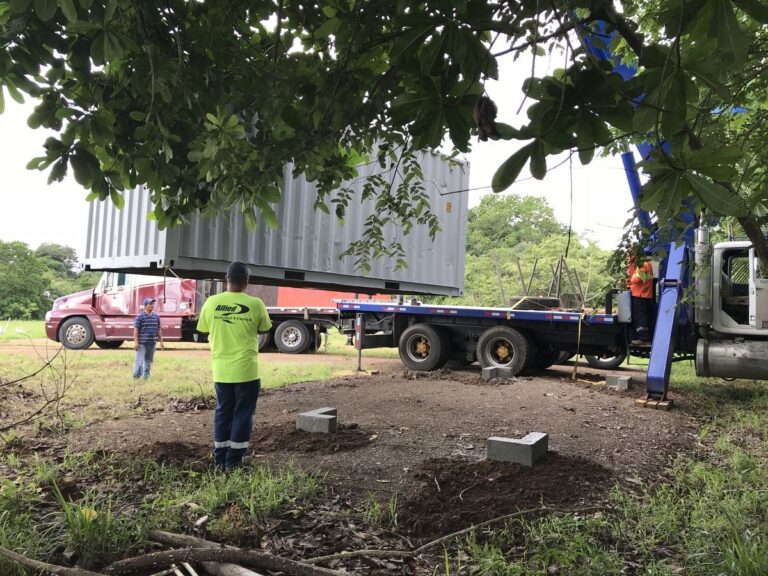
Once your site is prepared, the delivery process can proceed according to the equipment and delivery arrangement being used.
The driver will need enough room to access the property and position the container.
Keep the delivery area clear and avoid making changes to the placement location while the delivery is underway unless necessary.
If there are unusual conditions—such as a narrow entrance, steep driveway, soft ground, or restricted access—make sure they have been communicated before delivery.
For a broader explanation of the delivery process, read How Shipping Container Delivery Works: What Buyers Need to Know (2026).
Can You Prepare a Site Yourself?
For a straightforward storage installation, some property owners may be able to perform basic preparation themselves.
This can include:
- Clearing vegetation
- Removing debris
- Measuring the area
- Preparing gravel
- Improving drainage
However, more complex projects may require professional assistance.
If you’re dealing with difficult soil, significant grading, drainage problems, electrical work, plumbing, or structural construction, consider getting appropriate professional advice.
How Much Space Should You Leave Around a Container?
There isn’t one universal clearance measurement that applies to every property and delivery situation.
The required space depends on:
- Container dimensions
- Delivery equipment
- Site layout
- Door configuration
- Intended use
- Local conditions
Rather than relying on a single number, plan the entire delivery and operating area.
The goal is to provide enough room for delivery, unloading, access, doors, and future maintenance.
Final Thoughts
Preparing your property properly can make shipping container delivery much easier.
Before the container arrives, confirm that the placement area is suitable, the ground is stable, the delivery route is accessible, and there are no overhead or physical obstacles.
Also remember to check applicable local requirements before installation.
Whether you’re purchasing a 10ft, 20ft, 30ft, 40ft, 45ft, High Cube, used container, cabin, or specialized container, good site preparation is an important part of the buying process.
If you’re ready to choose your container, explore Shipping Containers and compare the available sizes and types for your project.
For more information about international shipping container standards, visit the International Maritime Organization (IMO)